The Invitation Design Landscape in 2026
Invitation design has always reflected broader cultural and aesthetic movements, and 2026 is no exception. This year, several forces are converging — advances in digital design tools, a maturing market for digital invitations, changing tastes in color and typography, and an ongoing commitment to sustainability — to produce a wave of fresh, exciting design directions.
These trends span all event types, from weddings and baby showers to corporate gatherings and milestone birthdays. Whether you are designing your own invitation or browsing templates for inspiration, understanding what is current helps you make choices that feel intentional rather than accidental.
Kinetic Typography and Motion Design
Static text is giving way to type that moves. Kinetic typography — where letters animate, transform, or respond to interaction — is one of the defining design trends of 2026. The effect ranges from subtle (a gentle fade-in of the event name) to dramatic (letters assembling from scattered particles).
This trend is driven by the dominance of digital invitations, where motion is native to the medium. A printed invitation cannot animate, but a digital one can use motion to create hierarchy, guide the reader's eye, and inject personality. A bold, confident font that slides into place conveys energy. A delicate script that writes itself in real time conveys elegance.
The best kinetic typography serves the design rather than showing off. Motion should feel purposeful — drawing attention to the event name, creating a moment of anticipation before revealing the date, or reinforcing the mood of the event. Platforms like InviteDrop are incorporating these motion elements into their templates, making animated typography accessible to everyone, not just professional designers.
Rich, Saturated Color Palettes
The muted, desaturated palettes that dominated the early 2020s — dusty rose, sage green, greige — are being replaced by richer, more confident color choices. Deep jewel tones (emerald, sapphire, amethyst), bold earth tones (terracotta, ochre, sienna), and unexpected color pairings (cobalt blue with burnt orange, forest green with hot pink) are defining the 2026 color landscape.
This shift reflects a broader cultural move toward expressiveness and individuality. Couples and hosts are choosing colors that feel personal rather than trendy — a favorite shade, a color inspired by a meaningful place, or a palette that evokes a specific emotion.
Dark backgrounds are particularly popular. A deep navy, charcoal, or black background with light text creates a dramatic, high-contrast design that reads beautifully on screens and feels premium. This reversal of the traditional light-background convention is one of the clearest markers of a 2026 invitation.
Organic Shapes and Imperfect Geometry
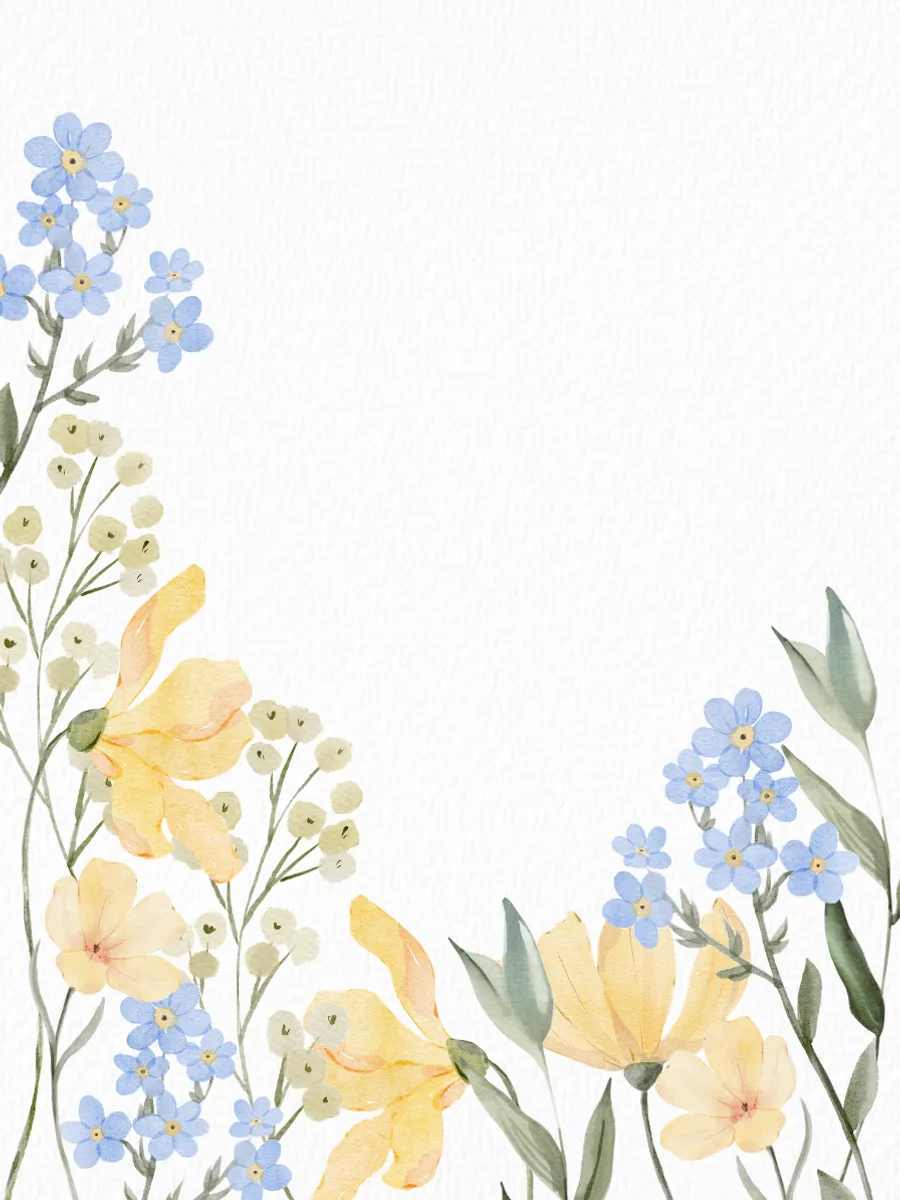
Rigid rectangles and perfect circles are out. Organic, hand-drawn shapes — blobs, uneven borders, freeform lines, and watercolor washes that bleed beyond their boundaries — are in. This trend reflects a desire for warmth and humanity in design, a rejection of the hyper-polished aesthetic that dominated during the peak of minimalism.
In practice, this looks like invitations with asymmetric layouts, borders that feel hand-painted rather than computer-generated, and decorative elements that embrace irregularity. A watercolor wash that pools unevenly. A border of illustrated foliage that does not quite follow a straight line. A hand-drawn frame around the event details.
This aesthetic works particularly well for outdoor events, bohemian weddings, and celebrations with a natural or relaxed vibe. It signals that the host values authenticity over perfection — a message that resonates with guests.
Layered and Dimensional Design
Flat design is being replaced by compositions that suggest depth and dimension. Shadows, overlapping elements, translucent layers, and parallax effects create invitations that feel tactile even on a screen.
For digital invitations, this means elements that move at different speeds as you scroll, creating a sense of spatial depth. A background pattern that shifts slowly while foreground text stays fixed. A decorative element that casts a subtle shadow, as if it is floating above the surface.
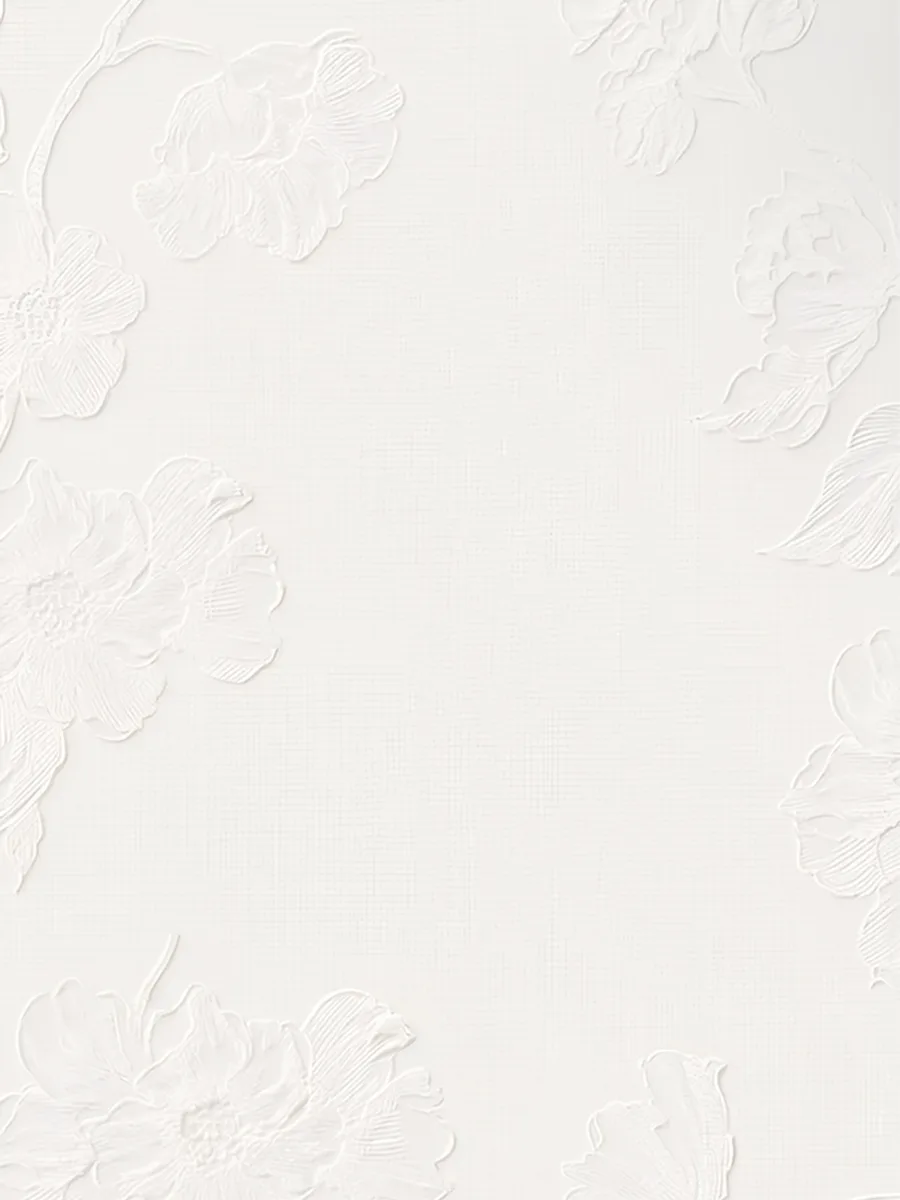
For printed invitations, this trend manifests as physical texture: letterpress impressions, foil stamping, embossing, and layered papers. The digital world is borrowing from these physical techniques, using visual effects to simulate the depth and texture that make printed invitations feel luxurious.
The combination of digital accessibility and physical-inspired design creates invitations that feel premium without the cost of specialty printing — a sweet spot that many couples and hosts are gravitating toward.
Personalization at Scale
Generic templates are being replaced by designs that feel custom-made. The trend toward personalization is not new, but 2026 is seeing it become more sophisticated and more accessible.
Advanced customization tools allow hosts to adjust every element of an invitation — font, color, layout, imagery, animation — without needing design skills. The result is an invitation that looks bespoke even if it started from a template. The template serves as a starting point, not a constraint.
Beyond visual customization, content personalization is growing. Invitations that include personalized details for each guest — their name in the greeting, their specific table assignment, or a tailored message — feel more intimate than a one-size-fits-all blast. Digital platforms make this technically feasible at any scale.
The broader shift is from "choose a template and fill in the blanks" to "start with a template and make it yours." InviteDrop exemplifies this approach, offering designs that are beautiful out of the box but deeply customizable for hosts who want to put their own stamp on every element.
Sustainability-Driven Design Choices
Sustainability continues to influence design decisions, but in 2026, it is becoming more nuanced. Rather than simply choosing digital over paper, hosts are thinking about the full lifecycle of their invitation — how it is created, how it is delivered, how it is experienced, and what happens after the event.
Design-wise, this means clean, efficient layouts that communicate effectively without excess. It means avoiding gratuitous animations that increase data transfer and energy use. It means choosing platforms and tools that prioritize performance and efficiency alongside beauty.
For printed invitations, sustainability means smaller formats, minimal packaging, and materials that are either recyclable or biodegradable. The trend away from multi-piece invitation suites (outer envelope, inner envelope, multiple inserts) toward single-piece or digital alternatives is partly aesthetic and partly environmental.
The intersection of sustainability and design is producing some of the most elegant invitations of the year — proof that constraint breeds creativity, and that less really can be more when every element earns its place.
Ready to bring these trends to life? Browse our free invitation templates on InviteDrop and design a 2026-ready invite in minutes.