50 Beautiful Digital Wedding Invitation Designs for 2026
Your wedding invitation does more than share event details — it's the first glimpse your guests get of your wedding's aesthetic, tone, and personality. A well-designed invitation generates excitement, sets expectations, and signals how much care has gone into the day ahead. In 2026, digital wedding invitations have matured to the point where they can deliver all of that impact with an elegance that rivals the finest printed stationery.
Here's a deep dive into the wedding invitation styles that are resonating most right now — with design guidance for choosing the right look for your celebration. And when you're ready to create yours, browse all wedding invitation templates on InviteDrop.
Classic Styles (Designs 1–5)
1. Traditional Black and Ivory
The perennial wedding invitation choice. Black script typography on ivory or cream backgrounds communicates timeless elegance with zero risk of feeling dated. Works for formal church ceremonies, ballroom receptions, and any celebration where tradition is central. Look for designs with a hairline border and serif headline font — these small details elevate the classic look from merely nice to genuinely refined.
2. Navy and Gold
Navy and gold is the power combination of formal wedding invitations. Deep navy grounds the design while gold — used sparingly in foil-style digital effects on borders, monograms, or flourishes — adds the richness of luxury printing without the cost. Pair with an elegant sans-serif or transitional serif typeface. Works especially well for evening receptions and black-tie events.
3. Letterpress-Style White on White
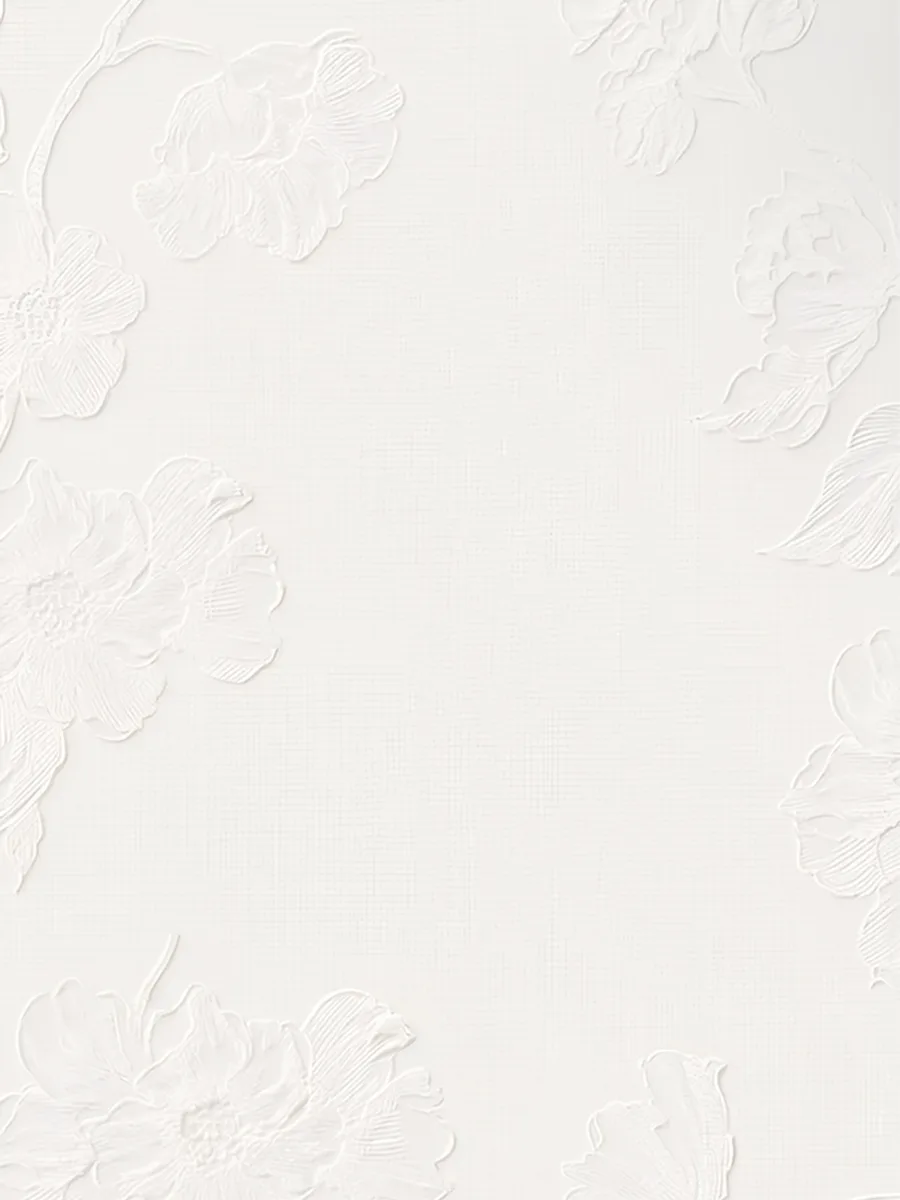
Inspired by the subtle depth of genuine letterpress printing, white-on-white digital designs use shadow and texture to create a sense of dimension. The result is understated and quietly sophisticated — the kind of invitation that guests lean in closer to fully appreciate. Best for couples who want elegance without ostentation.
4. Formal Script on Champagne
Champagne and warm cream backgrounds pair beautifully with flowing italic script fonts. This combination feels inherently romantic and celebratory without being over-the-top. Add a subtle watercolor wash or tone-on-tone floral border and you have an invitation that feels like it cost far more than it did.
5. Classic Monogram
A large interlocking monogram as the centerpiece design element is a classic move that never feels tired. When done well — with a well-chosen typeface, balanced sizing, and complementary color — a monogram invitation feels personal and crest-like. It also scales beautifully across envelope liners, menus, and other wedding stationery if you want a cohesive suite.
Modern Styles (Designs 6–15)
6. Geometric Line Art
Clean geometric shapes — circles, arches, triangles — used as structural elements rather than decoration. This style says contemporary without being cold. Work best with a restrained two-tone color palette: think warm terracotta and natural white, or sage green and soft black.
7. Minimalist Sans-Serif
All-caps sans-serif typography, ample white space, and a single accent color. This is the wedding invitation for couples who believe in "less is more" — and executed well, it's stunning in its simplicity. Every word on the invitation feels considered.
8. Full-Bleed Photography
Using a full-bleed photograph — of your engagement shoot location, a meaningful landscape, or a flat-lay arrangement — as the invitation background creates an immediate personal connection. Typography floats over the image, typically in white or a light color. Works best with high-quality photography and careful attention to text legibility.
9. Split Layout
A bold typographic split layout divides the invitation into two panels — one for a graphic or photographic element, one for text. This editorial design approach feels magazine-influenced and contemporary. Works particularly well for design-forward couples who want their invitation to look like it belongs in a design publication.
10. Arch and Frame
Arched frames and architectural motifs are one of 2026's biggest wedding invitation trends. The arch shape references both Mediterranean architecture and the romance of cathedral ceilings, making it simultaneously modern and timeless. Pair with earthy tones — terracotta, warm ivory, sage — for maximum contemporary appeal.
11. Bold Color Block
Color blocking — large areas of saturated, contrasting color — makes a statement that's impossible to ignore. Deep burgundy meets blush. Cobalt meets warm white. If your wedding palette is built around strong color, let your invitation lead with it boldly rather than hinting at it.
12. Abstract Brushstroke
Hand-painted brushstroke elements — sweeping arcs, splashes, irregular geometric shapes — bring an artistic, gallery-like quality to an invitation. The imperfection is the point: these designs feel human, warm, and individual in a way that digitally-perfect designs often don't.
13. Dark and Dramatic
Deep charcoal, forest green, or midnight navy backgrounds with light typography and metallic accents. This style is particularly striking on screen, where dark backgrounds can feel more rich than they do on paper. For evening weddings, it's atmospheric and memorable.
14. Terrazzo Pattern
The terrazzo aesthetic — small colorful fragments on a neutral field — translated into invitation design creates a playful, contemporary look that still feels elevated. Works best for couples who want a little personality without sacrificing sophistication.
15. Maximalist Typographic
Large, bold, expressive typography where the text itself is the design. Different fonts in varying weights and sizes create visual hierarchy and interest. This approach requires skill to execute — too many typefaces and it falls apart — but when done right, it's genuinely arresting.
Floral Styles (Designs 16–22)
16. Watercolor Botanicals
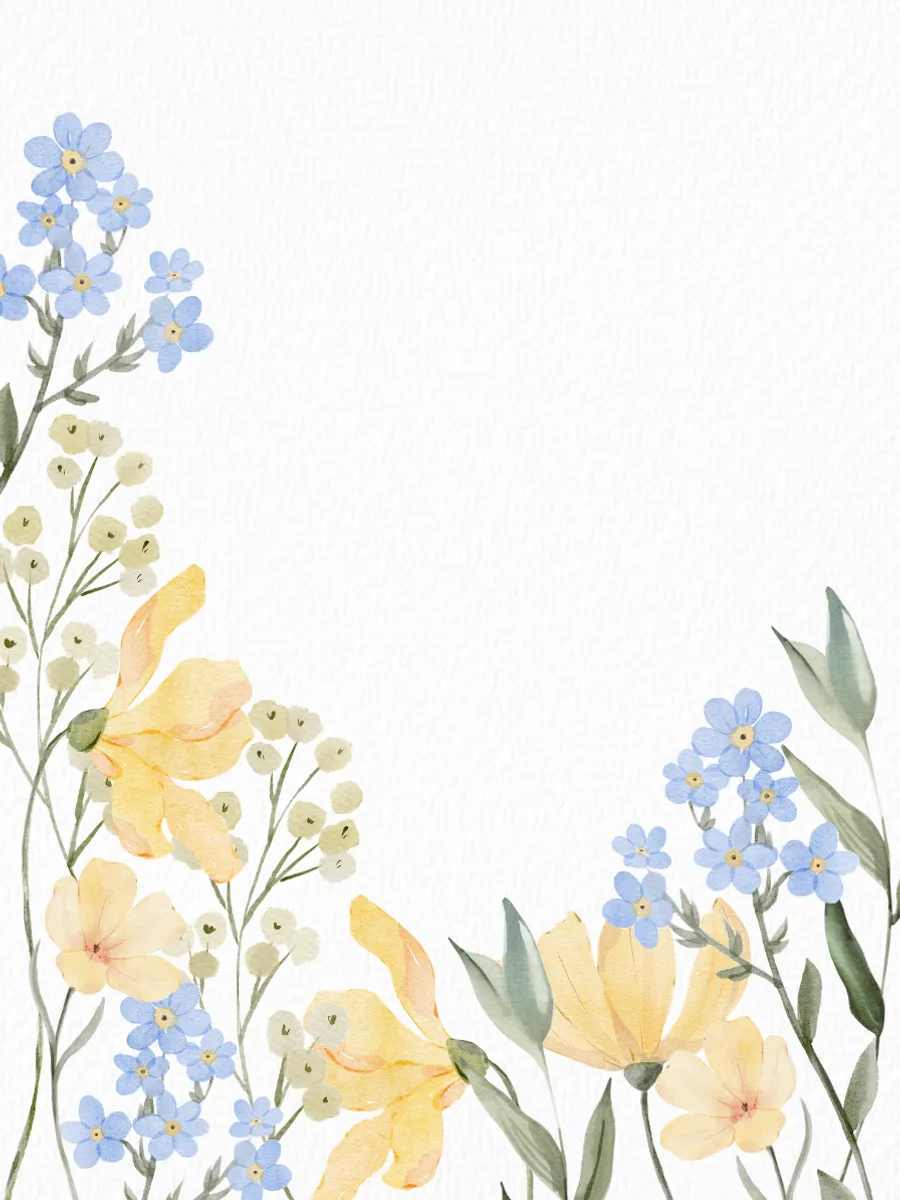
Soft watercolor botanical illustrations — flowers, leaves, berries — remain one of the most beloved wedding invitation styles. The technique feels artisan and hand-crafted even in digital form. Color palette typically matches the wedding flowers: blush and greenery, lavender and sage, peach and cream.
17. Bold Illustrated Florals
Where watercolor botanicals are delicate, illustrated florals are confident. Dense, richly colored floral illustrations in full-bleed or as a dramatic frame. This style has a maximalist opulence that works beautifully for garden weddings, estate venues, and celebrations that embrace abundance.
18. Line-Drawing Botanicals
Single-weight line illustrations of botanical elements — elegant in their simplicity. Usually rendered in gold, black, or sage green on a neutral background. More refined and minimalist than full watercolor botanicals, these designs work for both formal and semi-formal weddings.
19. Pressed Flower
Photographic-style pressed and dried flower arrangements used as invitation backgrounds or accent elements. The texture and color variation of actual flowers — with their imperfect, organic beauty — creates an invitation that feels genuinely special.
20. Tropical Blooms
For destination weddings in warm locations, tropical florals — hibiscus, bird of paradise, monstera leaves — communicate the setting and build excitement before guests even arrive. Usually rendered in rich, saturated color against white or linen backgrounds.
21. Garden Party
A lighter, airier take on florals. Scattered small flowers, tossed petals, and botanical sprigs create a sense of a summer garden in full bloom. Typically uses a pastel palette — soft rose, butter yellow, lavender — that feels celebratory and warm.
22. Romantic Roses
Roses alone deserve their own category. From painterly full-bleed rose photography to illustrated rose garlands to geometric rose borders, the design possibilities are endless. When the roses are rendered with care — with attention to petal detail and color — this style never feels clichéd.
Rustic and Natural Styles (Designs 23–28)
23. Kraft Paper Texture
Digital textures that mimic the warmth of kraft paper — with natural grain, subtle imperfection, and earthy tones — create an invitation that feels handmade and heartfelt. Perfect for barn weddings, farm venues, and celebrations in natural settings.
24. Wood Grain and Greenery
Wood grain textures paired with illustrated greenery (eucalyptus branches, fern fronds, ivy trails) capture the aesthetic of a forest wedding or rustic venue without being literal about it. Works in both warm brown tones and cooler gray-washed palettes.
25. Burlap and Lace
Textural digital treatments that evoke burlap and lace create a rustic-romantic hybrid. This style is particularly popular for Southern and country wedding aesthetics — warm, personal, and a little bit charming.
26. Mountain and Landscape
For mountain weddings or outdoor venues, illustrated landscape elements — mountain silhouettes, pine tree borders, starry skies — locate your celebration in its setting and build anticipation for the day. Best executed as clean line illustrations in one or two colors.
27. Mason Jar and Wildflowers
A casual, intimate design language that signals a relaxed, personable celebration. Illustrated mason jars with wildflower arrangements, paired with handwritten-style typography, create an invitation that feels like it came from a close friend rather than a formal institution.
28. Vintage Postcard
Inspired by 1920s travel postcards, this style uses aged color palettes, vintage typefaces, and postal graphic elements (stamps, postmarks, distressed borders) to create an invitation that feels like an heirloom. Works beautifully for destination weddings.
Bohemian Styles (Designs 29–35)
29. Celestial and Moon
Moon phases, constellations, sun and star illustrations create a mystical, celestial invitation aesthetic that has been a consistent favorite in the boho wedding world. Usually rendered in gold on deep navy or black, or in warm terracotta on ivory.
30. Macramé and Fringe
Illustrated macramé patterns and fringe details translate the boho décor aesthetic directly into invitation design. Works in warm neutral palettes — cream, sand, terracotta — with natural rope-like typography.
31. Pampas Grass and Dried Botanicals
Pampas grass and dried floral illustrations are the boho alternative to traditional flower arrangements. The feathery, organic quality of these botanicals creates a distinctive aesthetic that photographs beautifully in the digital envelope reveal.
32. Feathers and Dreamcatchers
Illustrated feathers, dreamcatcher elements, and woven patterns create an invitation with genuine artisanal character. Usually paired with earthy tones and handwritten-style script typography.
33. Desert Southwest
Saguaro cacti, desert florals, and warm terracotta palettes capture the romance of the American Southwest. Growing in popularity as desert and desert-adjacent venues become more sought-after.
34. Tie-Dye and Earth Tones
A contemporary bohemian design language using tie-dye inspired gradients in earthy tones — rust, sage, dusty rose, warm brown. The effect is organic and movement-filled without being chaotic.
35. Vintage Botanical Maps
Old-world cartography meets botanical illustration — hand-drawn-style maps of your wedding location with botanical borders and aged color treatments. Both informative and beautiful.
Art Deco and Vintage Styles (Designs 36–42)
36. Gatsby Gold
Gold geometric patterns, bold typography, and art deco architectural motifs create the roaring twenties glamour that the Great Gatsby aesthetic represents. Works for evening galas, black-tie receptions, and couples who want unapologetic opulence.
37. 1970s Vintage
Warm earthy tones (burnt orange, mustard yellow, olive green), groovy typography, and vintage photographic filters create a distinctly 1970s aesthetic that feels both retro and completely fresh in 2026.
38. Victorian Engraving Style
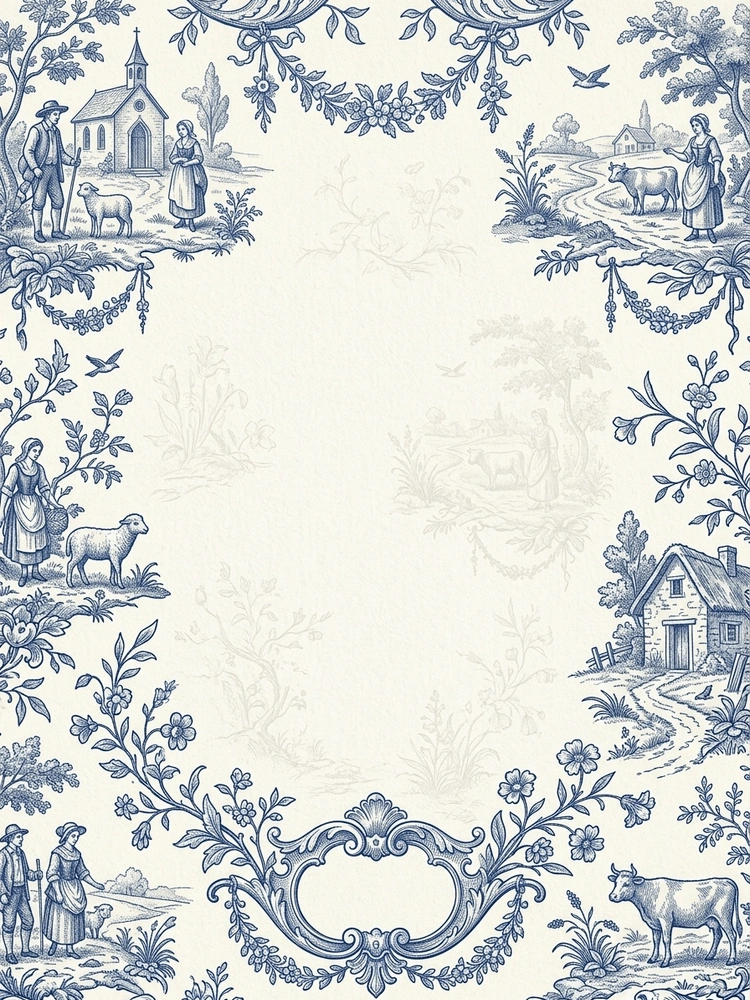
Fine-line engraving-style illustrations — portraits, botanical specimens, ornate borders — rendered in the meticulous detail of 19th century printing. For couples who love antiques, archives, and the romance of Victorian aesthetics.
39. Mid-Century Modern
Clean geometric shapes, a restrained palette of warm neutrals with one accent color, and the confident, optimistic typography of the 1950s and 60s. Timeless in a different way from classic styles — this is timelessness through good design rather than tradition.
40. Retro Neon
Neon-style glowing typography on dark backgrounds — think vintage Las Vegas or a retro diner sign. Unexpected for a wedding invitation, but for the right couple (fun, irreverent, city-focused), it's genuinely memorable.
41. Japanese Woodblock
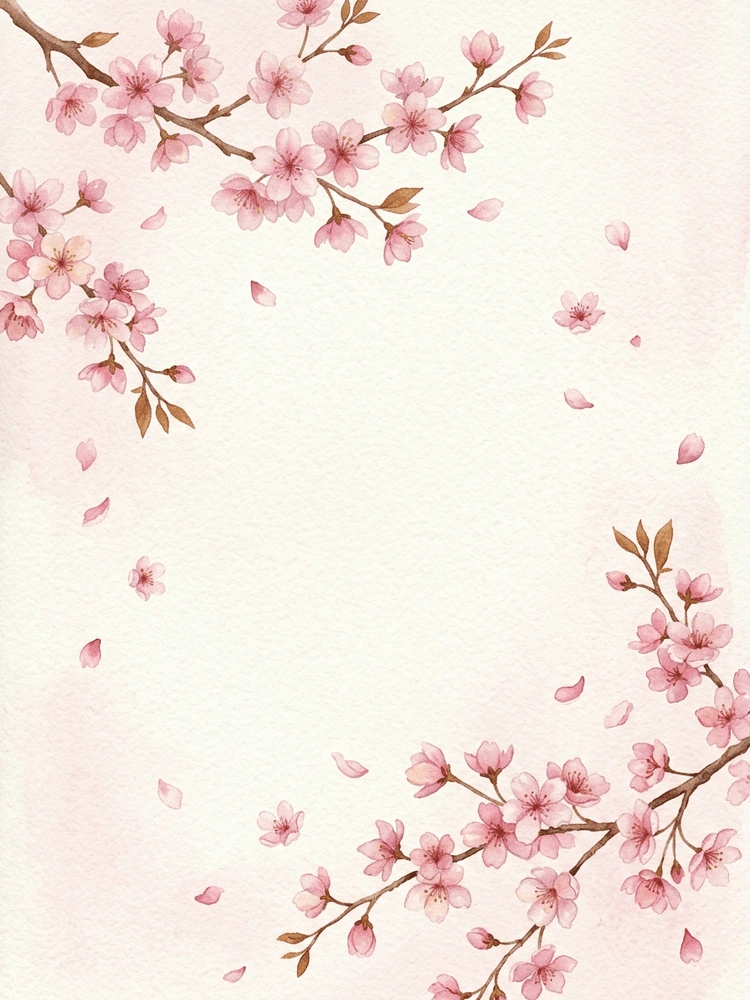
Inspired by ukiyo-e woodblock printing, this style uses flat color areas, bold outlines, and nature-inspired imagery — cherry blossoms, waves, mountains — to create an invitation that's both culturally rich and visually striking.
42. Parisian Elegance
French line illustrations of iconic Parisian landmarks, paired with editorial fashion-influenced typography, create an invitation that celebrates romance in the most romantic city on earth. Works for Paris destination weddings and couples with a francophile sensibility.
Minimalist Styles (Designs 43–50)
43. Single Line Illustration
One continuous, unbroken line rendering — of two faces, a bouquet, a venue, or a meaningful object — is a contemporary art technique that produces an invitation of genuine artistic merit.
44. Ink Wash
East Asian ink wash painting technique translated into digital — fluid, intentional, atmospheric. Usually monochromatic or nearly so. Creates an invitation with meditative quality.
45. Typographic Only
No imagery. Just beautifully chosen, impeccably typeset text. For design purists who believe the arrangement of letters alone can be profound.
46. Single Color
One color, used in varying shades and weights, creates a monochromatic harmony that's visually restful and sophisticated. The constraint is the design challenge.
47. Negative Space
Using the white space between and around elements as the primary design tool. What isn't there defines what is.
48. Paper Cut-Out Style
Layered shapes that mimic the effect of cut paper — shadows, depth, and the delicate art of paper craft, all digitally executed.
49. Washi Tape Collage
Digital washi tape and collage elements create a handcrafted, personal aesthetic that suggests a scrapbook made with love.
50. Pure White Elegance
Sometimes the most beautiful choice is also the simplest. Pure white, with barely-there embossed texture, perfect typography, and nothing else. It requires confidence to commit to total restraint — but the result can be unforgettable.
Ready to Create Yours?
Whether your style is classic or avant-garde, rustic or maximalist, traditional or delightfully surprising — the right digital wedding invitation exists for you. Browse InviteDrop' full wedding invitation collection and find the design that feels like your day, then customize it with your details, palette, and personality. Your guests will be delighted from the moment the envelope opens.